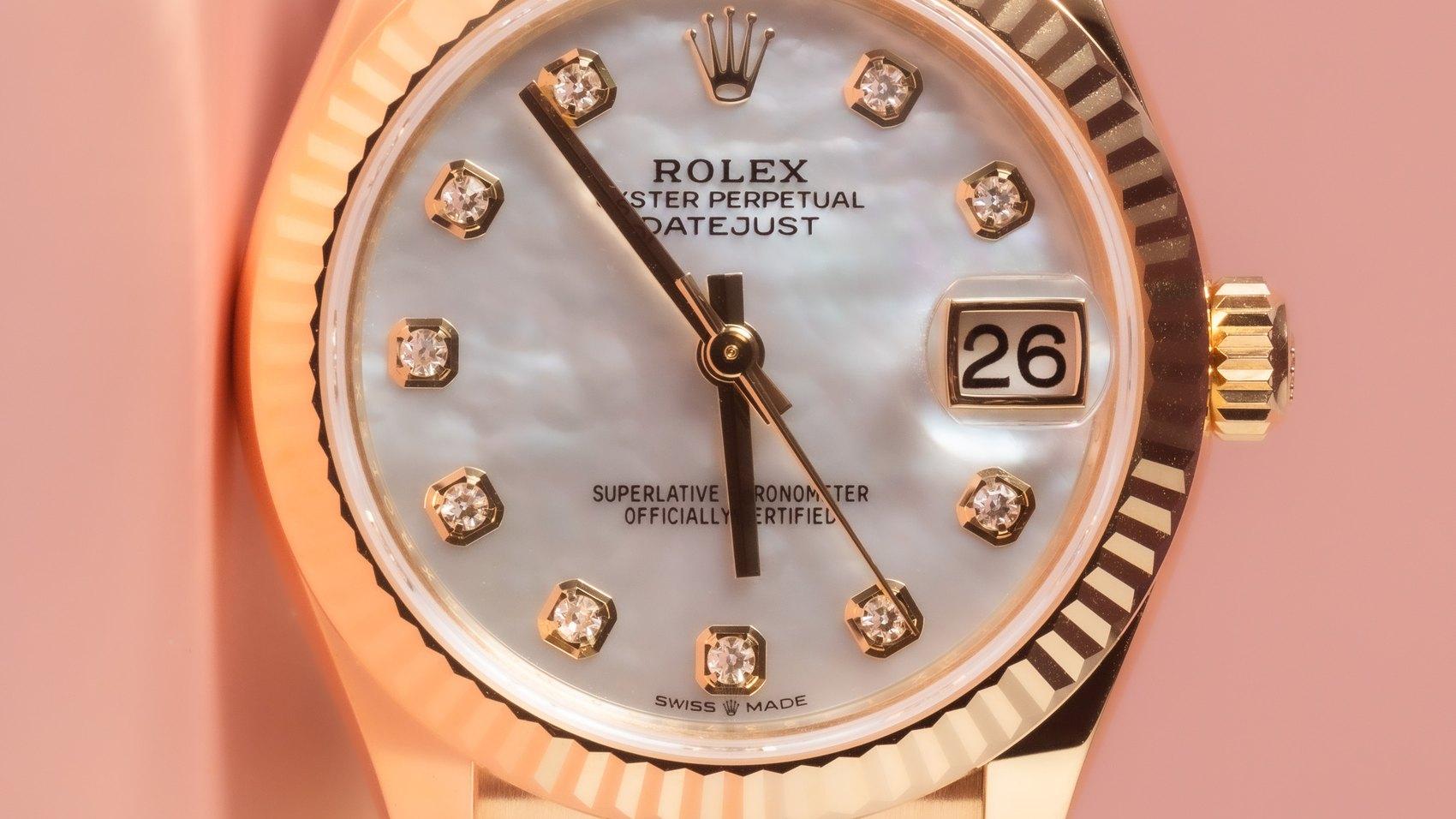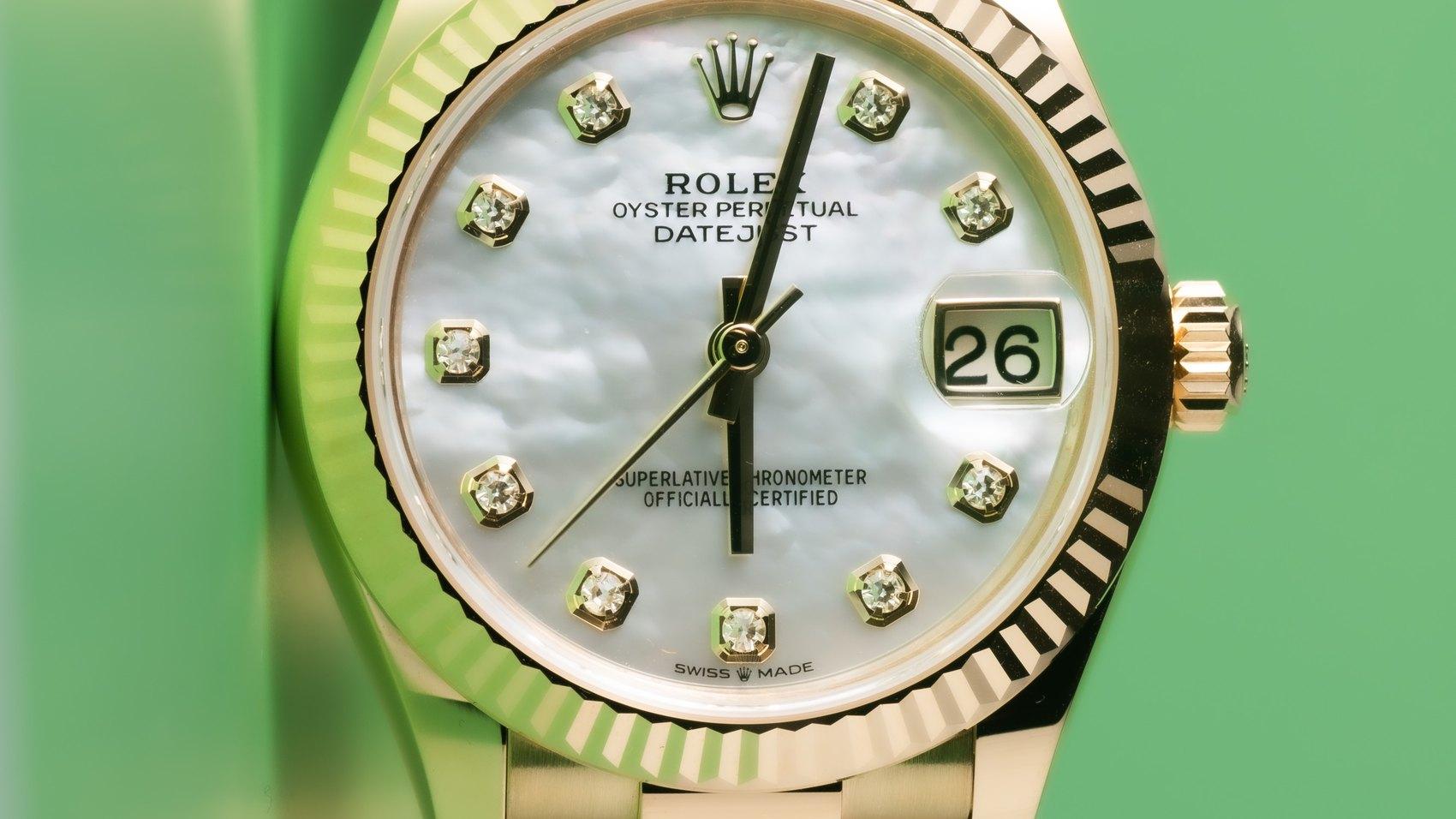
In the UK, most watches are treated as "wasting assets" (chattels with a predictable useful life of 50 years or less), and gains on them are generally exempt from Capital Gains Tax (CGT). In the US, there is no such exemption: a long-term gain on a watch held as a collectible can be taxed at a maximum federal rate of 28%, higher than the rate on shares. So whether you owe anything when you sell a watch depends almost entirely on where you're tax-resident, and on whether the taxman sees you as a private collector or a trader.
This guide explains how watch sale tax works in both countries, with a side-by-side comparison and named sources. It is general guidance, not tax advice. The rules turn on your personal circumstances, and you should confirm your position with a qualified accountant before you sell anything significant.
Do you pay capital gains tax when you sell a watch?
In most cases, a private UK collector selling a personal watch pays no CGT at all, because mechanical watches qualify as wasting assets. A US collector, by contrast, is generally taxable on any gain, and a long-term gain can be charged at up to 28%.
The two systems start from opposite defaults:
- UK: watches are presumed exempt (wasting asset / chattel rules), unless you're trading.
- US: watch gains are presumed taxable as a collectible, unless covered by a loss or allowance.
Everything below is a refinement of those two starting points.
UK: why most watches escape capital gains tax
The "wasting asset" rule
UK CGT law treats tangible movable property (known as chattels) differently from shares or property. A chattel with a "predictable life" not exceeding 50 years is a wasting asset, and gains on the disposal of a wasting chattel are not chargeable to CGT.
Crucially, HMRC accepts that mechanical items, including clocks and watches, are "machinery" and therefore have a predictable life of 50 years or less by default, regardless of how long they might actually survive in practice. That is the technicality that lets most watch sales pass tax-free. (See HMRC's Capital Gains Manual on chattels and the legislation at Taxation of Chargeable Gains Act 1992, s.44–45.)
Key takeaway: for a private UK collector, selling a mechanical watch at a profit usually generates no CGT, because the watch is a wasting chattel.
The chattels exemption and the £6,000 line
Even setting the wasting-asset point aside, there's a second shield. Under the chattels exemption, a gain on tangible movable property is not chargeable if the gross sale proceeds do not exceed £6,000.
Sell for more than £6,000 and a marginal relief caps the gain: the chargeable gain is limited to 5/3 of the excess over £6,000. Once proceeds reach roughly £15,000, that cap no longer helps and the normal calculation applies. (HMRC reference: CG76577.)
For watches, the wasting-asset exemption typically does the heavy lifting, so the £6,000 chattels rule is more relevant to non-mechanical pieces or borderline cases.
Where the UK exemption can fall away
The wasting-asset exemption is not unconditional. It can be lost where:
- The watch was used in a business and capital allowances were, or could have been, claimed against it.
- You are trading rather than collecting (see "Trader vs collector" below).
For UK reference, where a gain is chargeable in 2025/26, individuals have a £3,000 annual exempt amount, after which gains are taxed at 18% (basic-rate band) or 24% (higher/additional-rate band).
US: watches as "collectibles" and the 28% rate
The US gives collectors no wasting-asset relief. The Internal Revenue Code treats a watch as a collectible, alongside art, antiques, coins, gems and precious metals.
Long-term gains: up to 28%
If you hold a watch for more than one year and sell at a profit, the gain is a long-term capital gain taxed at a maximum federal rate of 28%, notably higher than the 0%/15%/20% rates that apply to most stocks and funds. (IRS Topic No. 409.)
Two clarifications matter:
- 28% is a cap, not a flat rate. If your ordinary marginal rate is below 28%, the lower rate applies. Only higher earners actually reach the full 28%.
- A 3.8% Net Investment Income Tax (NIIT) can apply on top for taxpayers above the income thresholds ($200,000 single / $250,000 married filing jointly), pushing the effective federal ceiling toward 31.8%, before any state income tax. (IRS Topic No. 559.)
Short-term gains: ordinary income
Hold the watch one year or less and any gain is short-term, taxed as ordinary income at your marginal rate, which can run as high as 37% federally. The "collectibles" cap only helps long-term holders.
What about losses?
Whether a loss on a watch is deductible depends on how the watch was held. A loss on property held for investment may be deductible against capital gains; a loss on a watch held purely for personal use generally is not. This is a classic area to confirm with a CPA.
Key takeaway: in the US, a watch profit is taxable by default. Holding for more than a year caps the rate at 28%, but there's no equivalent to the UK wasting-asset escape.
UK vs US watch tax: a side-by-side comparison
| Factor | United Kingdom | United States |
|---|---|---|
| Default treatment | Usually exempt (mechanical watch = wasting chattel) | Taxable as a collectible |
| Headline rate | Often 0%; if chargeable, 18% / 24% | Long-term max 28%; short-term = ordinary income (up to 37%) |
| Key exemption | Wasting-asset rule + £6,000 chattels exemption | None specific to watches |
| Holding period | Generally irrelevant to the exemption | Critical: >1 year for the 28% cap |
| Annual allowance | £3,000 annual exempt amount (2025/26) | Standard capital-loss offsets; no collectibles-specific allowance |
| Surtaxes | — | 3.8% NIIT for higher earners; plus state tax |
| Trader risk | Treated as trading income (Income Tax + NI) if you trade | Treated as ordinary business income if you're a dealer |
Rates and allowances are general and reflect figures current at the time of writing (UK 2025/26; US federal). Always verify against the live HMRC and IRS positions for your tax year.
Trader vs collector: the line that changes everything
In both countries, the most important question is often not what you sold but who you are in the eyes of the tax authority.
If you're a genuine private collector disposing of personal pieces, the favourable rules above apply. If your activity looks like a business, the profit is reclassified as trading / ordinary income, taxed at higher rates and, in the UK, exposed to National Insurance.
HMRC weighs the "badges of trade" (a long-standing set of factors from case law), including:
- Frequency of transactions (a steady churn of buying and selling).
- Profit motive at the point of purchase.
- Modification or repair to make pieces more saleable.
- Short ownership periods and organised, business-like selling.
- How the purchases were financed.
The US applies a parallel "dealer vs investor" analysis. Flip enough watches with enough intent and you become a dealer: gains are ordinary income, you may owe self-employment tax, and the 28% collectibles cap no longer shelters you.
Key takeaway: selling one watch from your collection is very different, in tax terms, from running a buy-and-sell operation. Volume and intent move you from the collector column to the trader column, usually to your tax disadvantage.
Practical pointers before you sell
These are organising principles, not advice, but they're what experienced collectors think about:
- Keep your paperwork. Original purchase invoices establish your cost basis (US) and prove a private, non-trading disposal (UK). Without records, you can't evidence a gain or a loss.
- Know your residency. Tax follows your residency status, not the watch's location. Dual-status or recently relocated sellers should get advice first.
- Mind the threshold lines. In the UK, the £6,000 chattels figure and the £3,000 annual exemption matter for non-exempt pieces. In the US, the one-year holding line decides whether you get the 28% cap or ordinary rates.
- Don't accidentally become a trader. A run of quick flips can recharacterise your hobby as a business in either country.
- Get advice before a large or unusual sale. A high-value piece, a sale across borders, or an inherited watch can all change the analysis.
FAQ
Do you pay capital gains tax when you sell a Rolex in the UK?
Usually no. A Rolex is a mechanical watch, which HMRC treats as a wasting asset (machinery with a predictable life of 50 years or less), so a private collector's gain is generally exempt from CGT. The exemption can fall away if you're trading or if the watch was used in a business with capital allowances claimed.
Is a watch a wasting asset for CGT?
For UK purposes, yes. A mechanical watch is generally a wasting chattel because HMRC regards it as machinery with a predictable useful life not exceeding 50 years. That status is what makes most private watch sales exempt from Capital Gains Tax, separate from the £6,000 chattels exemption.
What is the tax rate on selling a watch in the US?
A watch is a collectible. If you held it more than a year, the long-term gain is taxed at a maximum federal rate of 28% (lower if your marginal rate is lower). A higher earner may also owe the 3.8% NIIT, and state income tax can apply on top. Held a year or less, the gain is taxed as ordinary income.
Do I pay tax if I sell my watch for less than I paid?
If you sell at a loss, there's no gain to tax. In the UK, no CGT arises. In the US, a loss on a watch held for investment may be deductible, while a loss on a personal-use watch generally is not. Confirm with a CPA.
When does selling watches count as a business rather than a hobby?
When your activity shows the "badges of trade" (UK) or "dealer" characteristics (US): frequent transactions, a clear profit motive at purchase, short holding periods, and organised, business-like selling. At that point, profits are taxed as trading or ordinary income rather than capital gains.
Does the UK wasting-asset exemption apply to quartz or smartwatches too?
Quartz watches are also mechanical/electronic machinery and generally fall within the wasting-asset treatment. Smartwatches likewise have a short predictable life. The exemption is rarely the issue for these; the bigger questions are whether any real gain exists and whether you're trading.
A calmer way to sell, coming soon
Dialist is building a private exchange for fine watches, where selling and consignment are handled with the same care as authentication: insured handling, Dialist Secure Checkout, and a confidential process from valuation to settlement. When we launch, you'll be able to start a free, no-obligation valuation and decide, privately, whether to sell or consign. Join the list to be among the first.
Tax treatment is your own; we don't provide tax advice. But we can make the sale itself simple and secure.