For most buyers, most of the time, a luxury watch is not a good financial investment. It is a depreciating object you happen to enjoy wearing. The vast majority of new watches lose value the moment they leave the boutique, and the broad secondary market fell for three consecutive years before stabilising. A narrow band of references (chiefly steel sport watches from Rolex, Patek Philippe and Audemars Piguet, plus genuinely rare vintage pieces) has appreciated meaningfully over time. But those are the exception, not the rule, and treating the category as an asset class confuses a handful of outliers with the average outcome.
This article is built deliberately on attributed, third-party public data rather than any proprietary index: Morgan Stanley's annual watch reports (compiled with WatchCharts), the Bloomberg Subdial Watch Index, and real auction results from Phillips and others. Where a figure is general or illustrative, we say so. There is a full Methodology & Sources block at the end, and we refresh the numbers quarterly as new reports publish.
Are luxury watches a good investment? The short answer
No, not as a default. Treating watches as an investment is the wrong frame for almost everyone. Here is the honest breakdown:
- Most watches depreciate. A typical luxury watch sells below retail on the secondary market shortly after purchase, and many never recover the original price.
- The overall market is cyclical, not a one-way escalator. Secondary prices boomed in 2020-2022, then corrected sharply for three years before finding a floor.
- A small set of references genuinely appreciates. These are concentrated in a few brands and a few models, and the entry prices are high and often above retail.
- The reliable "return" is enjoyment and value retention, not gain. The realistic best case for most collectors is owning something you love that holds a healthy share of its value, not a profit.
Key takeaway: buy the watch because you want to wear it. If it holds value, treat that as a consolation, not the thesis.
What does the data actually show about watch prices?
Two independent, publicly reported benchmarks tell the same story: a pandemic-era spike, a multi-year correction, and a recent stabilisation.
The Bloomberg Subdial Watch Index
The Bloomberg Subdial Watch Index tracks prices for the 50 most-traded watches by value on the secondary market. Its trajectory is the clearest public record of the cycle:
- The index peaked in April 2022 after the 2020-2022 boom.
- It then fell 11.3% in 2023 and a further ~6% in 2024, reaching its lowest level since 2021: three straight years of decline for high-end second-hand Swiss watches.
- By mid-2023 it was reported down roughly 42% from its April 2022 high.
- It gained around 8% in 2025, recovering to its highest level since October 2023 as the market found a floor.
The Morgan Stanley x WatchCharts reports
Morgan Stanley's quarterly secondary-market reports, compiled with WatchCharts, broadly corroborate the Subdial picture:
- Secondary prices fell 10.7% in 2023 and 6.1% in 2024.
- Prices declined for 13 consecutive quarters before the trend reversed.
- The market turned in the second half of 2025, finishing the year up roughly 4.9%.
| Period | Bloomberg Subdial Index | Morgan Stanley / WatchCharts |
|---|---|---|
| Peak | April 2022 | 2020-2022 boom |
| 2023 | −11.3% | −10.7% |
| 2024 | ~−6% (lowest since 2021) | −6.1% |
| 2025 | ~+8% | ~+4.9% |
| Drawdown from peak | ~−42% (mid-2023) | Double-digit declines, 13 quarters |
Key takeaway: anyone who bought broadly at the 2021-2022 peak as an "investment" was, on the index level, down materially for years. The market is cyclical. Timing and selection matter enormously.
Do watches hold their value? It depends almost entirely on what you buy
"Do watches hold their value" is really two questions: which watches, and bought when. The aggregate indices hide enormous dispersion between brands and models.
According to the Morgan Stanley x WatchCharts data, the secondary market is highly polarised. Just three brands (Rolex, Patek Philippe and Audemars Piguet) together account for more than half of all transactional value on the secondary market. The same reporting has identified these as the only high-volume brands with a positive overall value-retention ratio (the spread between retail and secondary pricing). Most other brands, on average, retain less.
Even the 2025 recovery was lopsided. In the reported year-over-year figures, Patek Philippe secondary performance rose around 12.1%, Rolex around 4.6% and Audemars Piguet around 1%, while several large groups went the other way, with conglomerate-level performance reported down low-to-mid single digits for the Richemont and LVMH stables.
Key takeaway: value retention is concentrated. A handful of brands (and within them, a handful of models) do the heavy lifting. The "average watch" does not behave like the headline names.
Which watches actually appreciate in value?
Genuinely appreciating watches cluster around a few recognisable patterns. None of this is investment advice; it is a description of what the public market has rewarded.
Steel sport watches with waiting lists
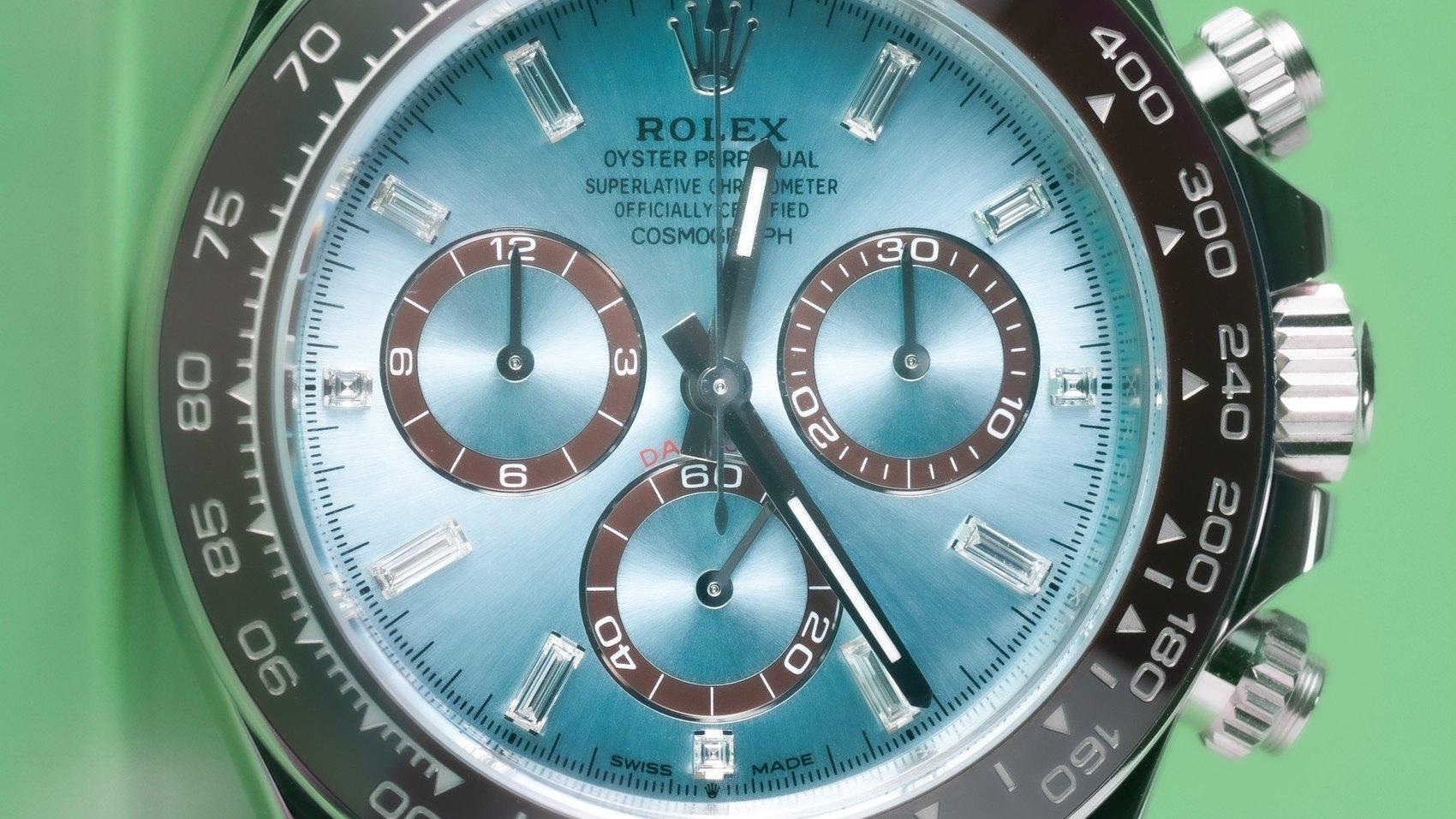
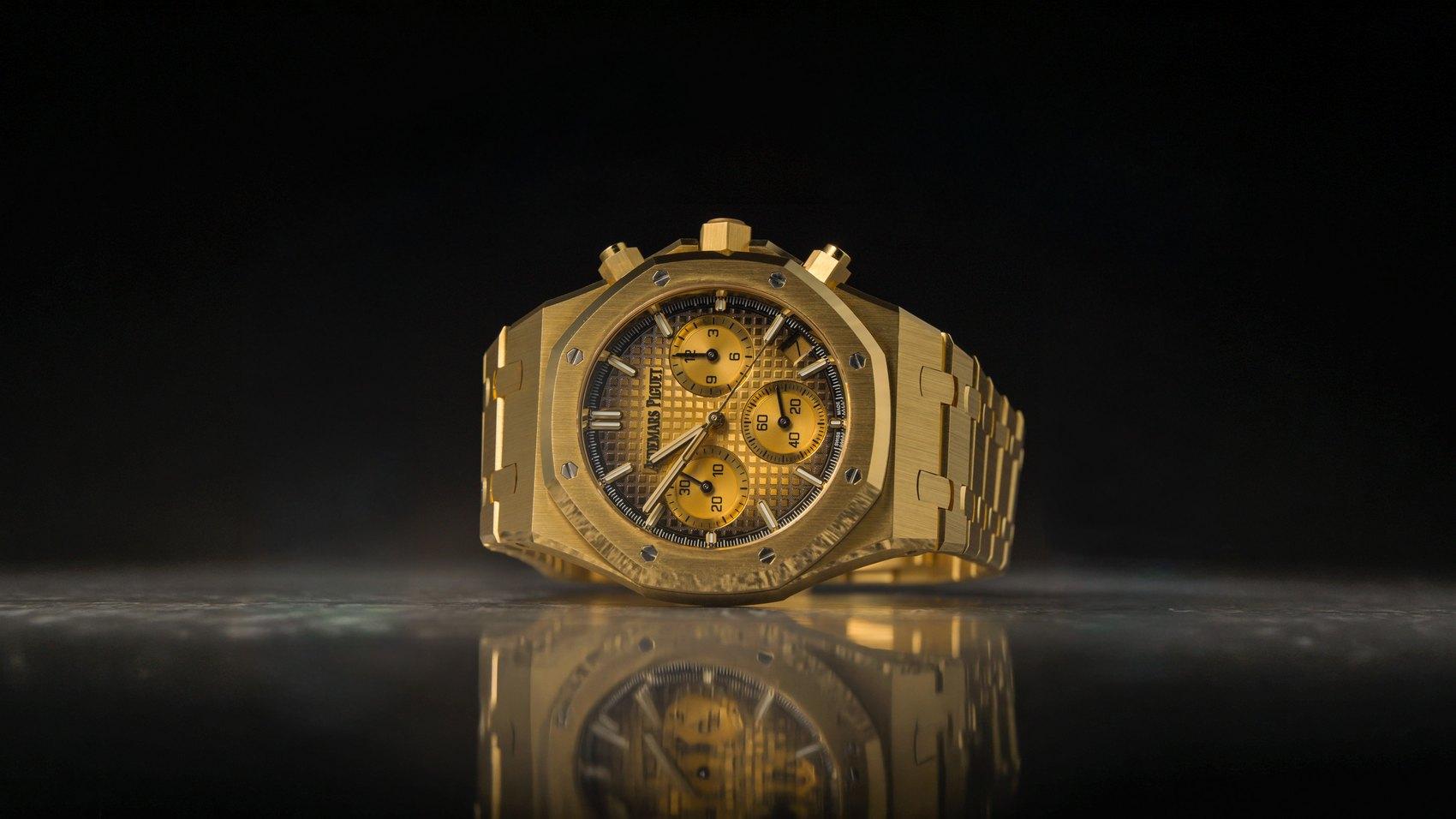
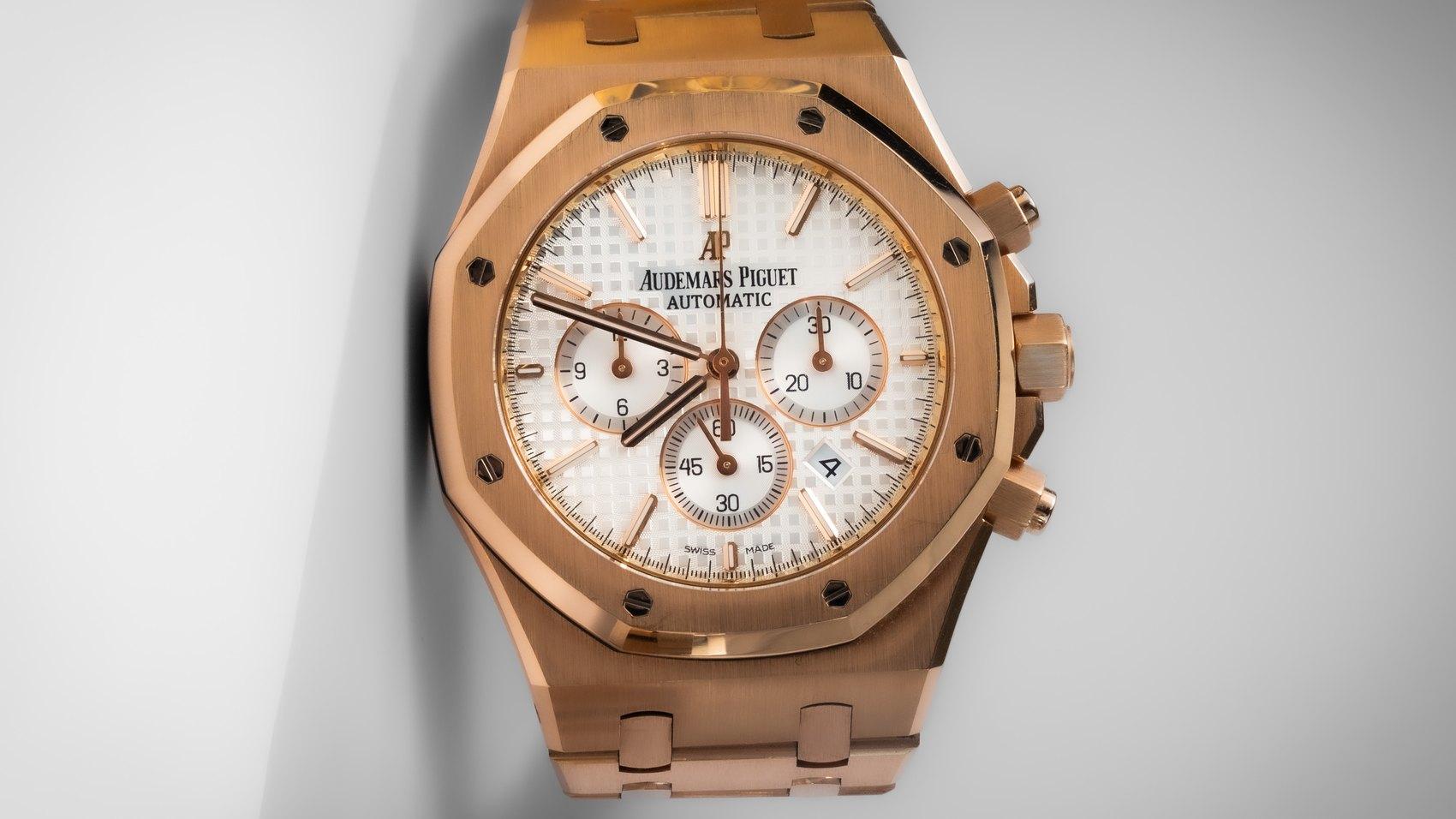
The clearest modern appreciation stories are the steel sport references that trade above retail: the Rolex Daytona and GMT-Master II, the Patek Philippe Nautilus and Aquanaut, and the Audemars Piguet Royal Oak. Morgan Stanley's reporting notes that an outsized share of market value accrues to a small number of these references. Scarcity at retail (long waiting lists, allocation) is what creates the premium, and that premium can compress quickly when sentiment turns, as 2022-2024 showed.
Genuinely rare and historic vintage
The headline auction results are vintage, and they are about rarity and story, not brand alone:
- Paul Newman's own Rolex "Paul Newman" Daytona, Ref. 6239, sold at Phillips New York in October 2017 for about $17.75 million including premium, for a time the most expensive wristwatch ever sold at auction.
- A stainless-steel Patek Philippe Ref. 1518 perpetual calendar chronograph sold at Phillips Geneva in November 2016 for CHF 11,002,000, then a record, and the first wristwatch to clear the eight-figure mark.
These are not a strategy you can replicate at the boutique counter. They are unique objects with provenance, condition and rarity that almost no production watch will ever have.
What the appreciating watches share
| Trait | Why it supports value |
|---|---|
| Scarcity vs. demand | Allocation, waiting lists or low production cap supply below demand |
| Iconic, stable design | Long-running references with cultural recognition resist fashion risk |
| Brand with proven retention | Concentrated in Rolex, Patek Philippe, Audemars Piguet historically |
| Condition & completeness | Original parts, unpolished cases, box and papers materially lift value |
| Provenance / story (vintage) | Documented history and notable ownership drive record results |
Key takeaway: appreciation is a function of scarcity, condition, completeness and story, not simply "buying a nice watch."
What makes a watch hold its value?
If you want to skew the odds toward retention rather than chase a return, the levers are well established and largely within your control at purchase:
- Buy references with structural scarcity, not just a prestigious name.
- Prioritise condition and originality: an unpolished case and original dial matter more than most buyers realise.
- Keep the full set: box, papers, accessories and service records. Incomplete watches sell at a discount.
- Avoid buying at a sentiment peak. As the index history shows, entry price is the single biggest determinant of outcome.
- Factor in real frictions: dealer margins, auction premiums, insurance, servicing and (where applicable) tax. These quietly erode any paper gain.
For more depth, see our companions on what makes a watch hold its value, watch depreciation explained, and what affects a watch's resale value.
Key takeaway: you cannot control the market, but you can control selection, condition, completeness and the price you pay. And those decide most of the outcome.
The honest case against "watches as an asset class"
Three points get lost in investment-led marketing:
1. The frictions are large. Spreads between buy and sell prices, dealer margins, auction-house buyer's premiums (commonly in the mid-20% range), insurance and servicing all sit between you and any gain. A watch must appreciate substantially just to break even after costs.
2. Liquidity is uneven. A hyped steel sport watch can sell quickly; a thoughtful but less fashionable piece can sit for months. Unlike a listed security, you cannot always exit at the quoted price on the day you want.
3. Indices are not your watch. The Subdial and Morgan Stanley benchmarks track the most-traded, most-liquid references. Your specific watch, in your specific condition, may behave very differently, usually with less upside than the headline names.
Key takeaway: the most defensible reason to buy a fine watch is that you want to own and wear it. Value retention is a feature to optimise, not a return to underwrite.
FAQ
Are luxury watches a good investment in 2026?
For most buyers, no, not as a primary financial motive. The broad secondary market fell for three years (roughly 2023-2025) before stabilising, and most individual watches depreciate from retail. A narrow set of scarce, iconic references has appreciated, but those are exceptions with high entry prices. The sound approach is to buy a watch you want to wear and treat strong value retention as a bonus.
Do most watches go up or down in value?
Most go down, at least initially. The typical luxury watch sells below its retail price on the secondary market soon after purchase. Only a small, concentrated group (led historically by certain Rolex, Patek Philippe and Audemars Piguet models) has reliably held or grown in value, and even those corrected sharply during the 2022-2024 downturn.
Which brands hold their value best?
Public reporting from Morgan Stanley and WatchCharts has identified Rolex, Patek Philippe and Audemars Piguet as the high-volume brands with positive overall value retention, and together they account for more than half of secondary-market value. Within those brands, value is further concentrated in a few steel sport references such as the Daytona, GMT-Master, Nautilus, Aquanaut and Royal Oak.
Is it better to buy a watch new or pre-owned for value?
Pre-owned often makes more financial sense, because the steepest depreciation usually happens early in a watch's life: the first owner typically absorbs it. Buying a well-kept pre-owned watch with full box and papers can mean you acquire closer to a settled market price and lose less if you sell. The exception is allocation-only sport models that trade above retail, where "new" supply is the scarce thing.
How much does condition affect a watch's value?
Substantially. An original, unpolished case, an original dial and hands, and a complete set with box, papers and service records can add a meaningful premium over an equivalent watch that has been polished, redialled or stripped of its accessories. For vintage especially, originality and provenance are often the difference between an average result and a record one.
Can a watch be a hedge against inflation?
Only loosely, and not dependably. Some hard assets can hold purchasing power over long horizons, and a few blue-chip watches have done so. But watches are illiquid, carry high transaction costs, generate no income, and, as 2022-2024 demonstrated, can fall 40%-plus from a peak. They are better understood as collectibles you enjoy than as a reliable inflation hedge.
Methodology & Sources
This article uses only attributed, publicly reported third-party data, never proprietary or internal figures. Market direction is drawn from the Bloomberg Subdial Watch Index (a tracker of the 50 most-traded watches by value) and the Morgan Stanley secondary-market reports compiled with WatchCharts. Auction results are real, individually reported hammer-plus-premium figures from Phillips. Index percentages and value-retention figures move over time; treat any specific number as a snapshot of the cited reporting period, not a fixed constant. Where a statement is general or illustrative (for example, typical auction buyer's premiums), it is labelled as such. We refresh these figures on a quarterly cadence as new reports publish.
Primary sources: Bloomberg Subdial Watch Index coverage; Morgan Stanley x WatchCharts quarterly and annual secondary-market reports; Phillips auction records for the Paul Newman Daytona (2017) and the steel Patek Philippe Ref. 1518 (2016).
Coming soon
Dialist is the private exchange for fine watches, a calmer, more transparent place to buy, sell, consign and service authenticated timepieces. Every watch is authenticated by Swiss-trained watchmakers, handled under insurance, and bought through Dialist Secure Checkout, privately and confidentially. When we launch, you'll be able to request a free, no-obligation valuation to see exactly where your watch sits against the public market: no proprietary index, no sales pitch.
Join the list to know the moment we open.