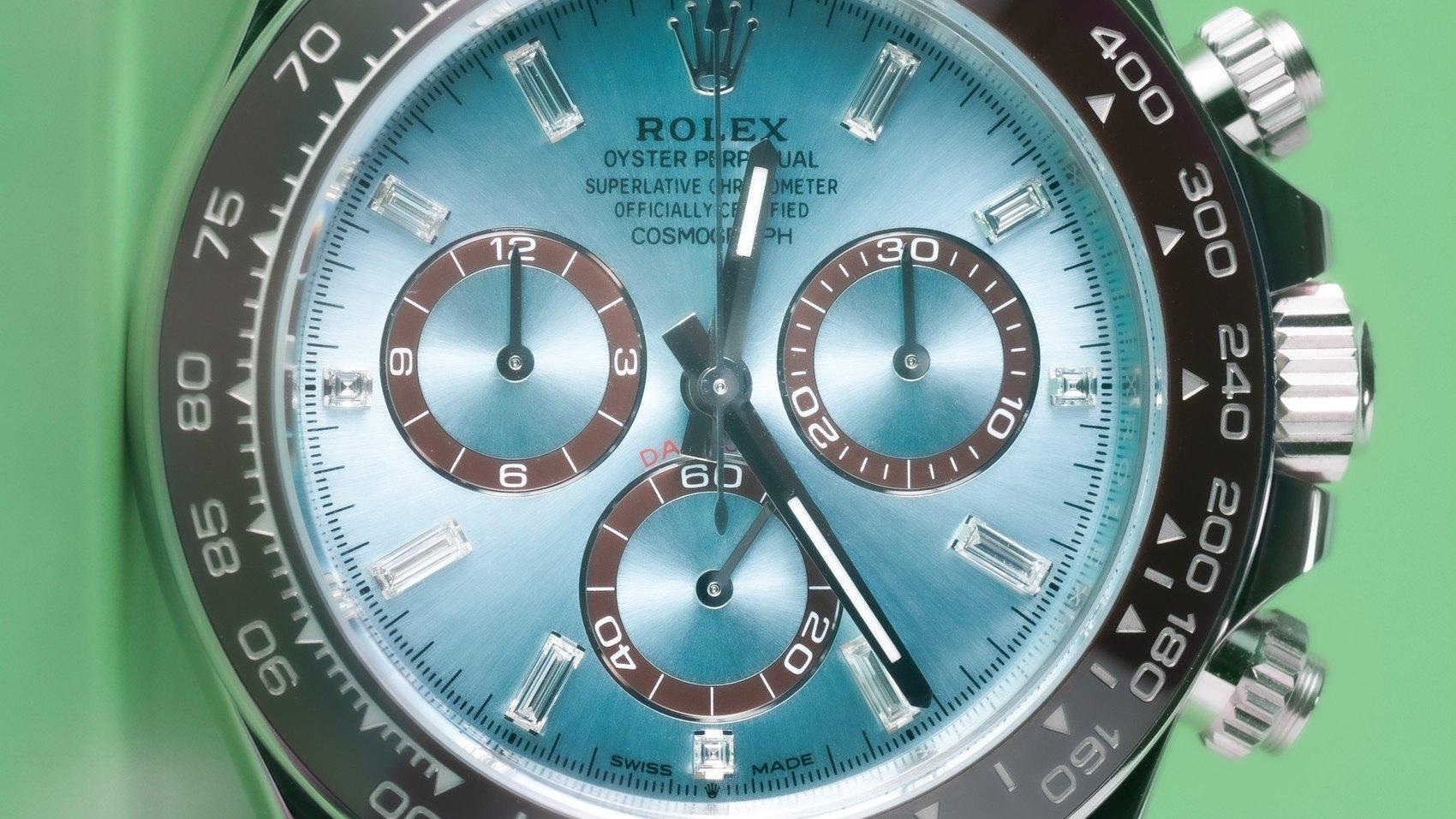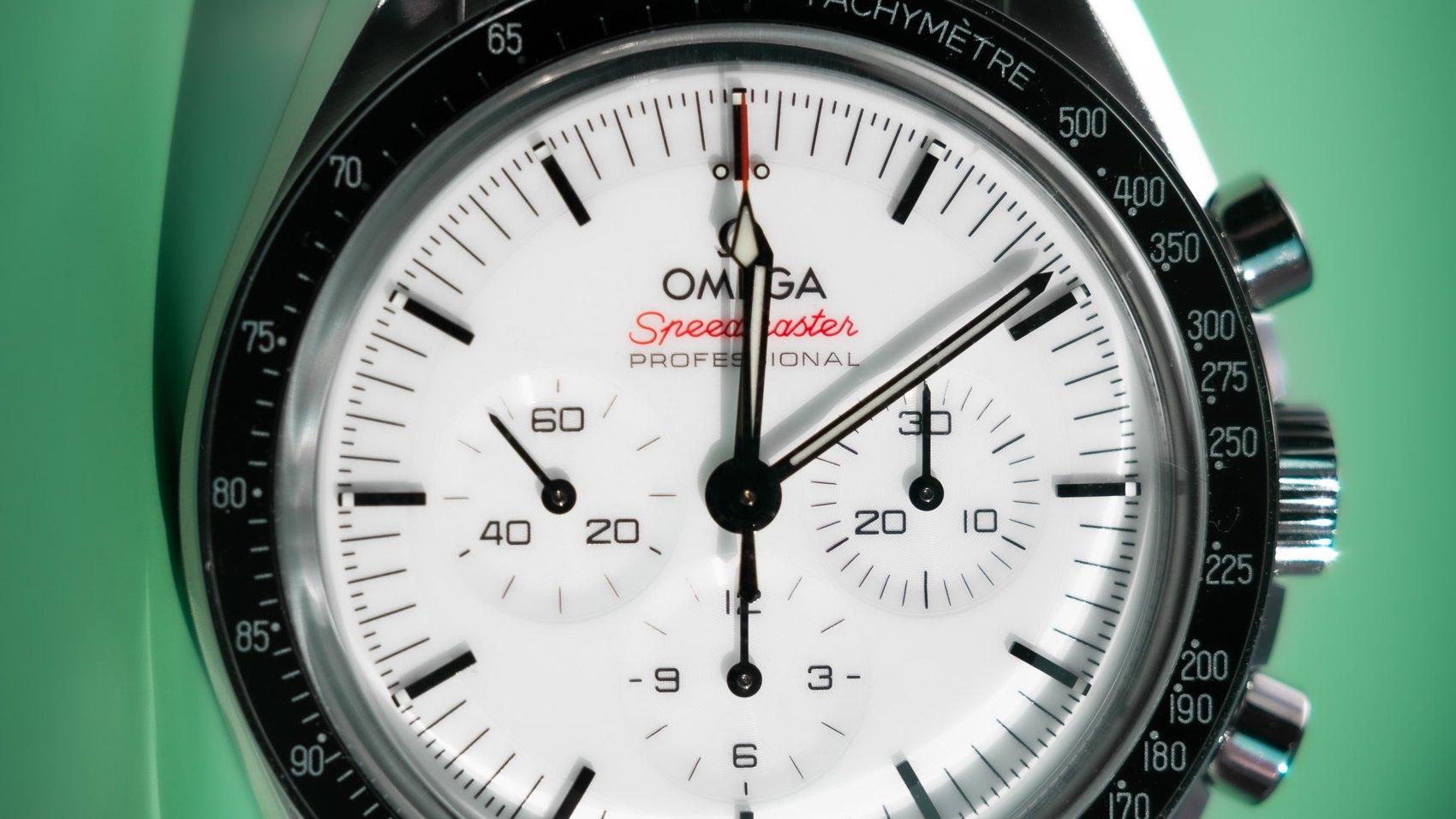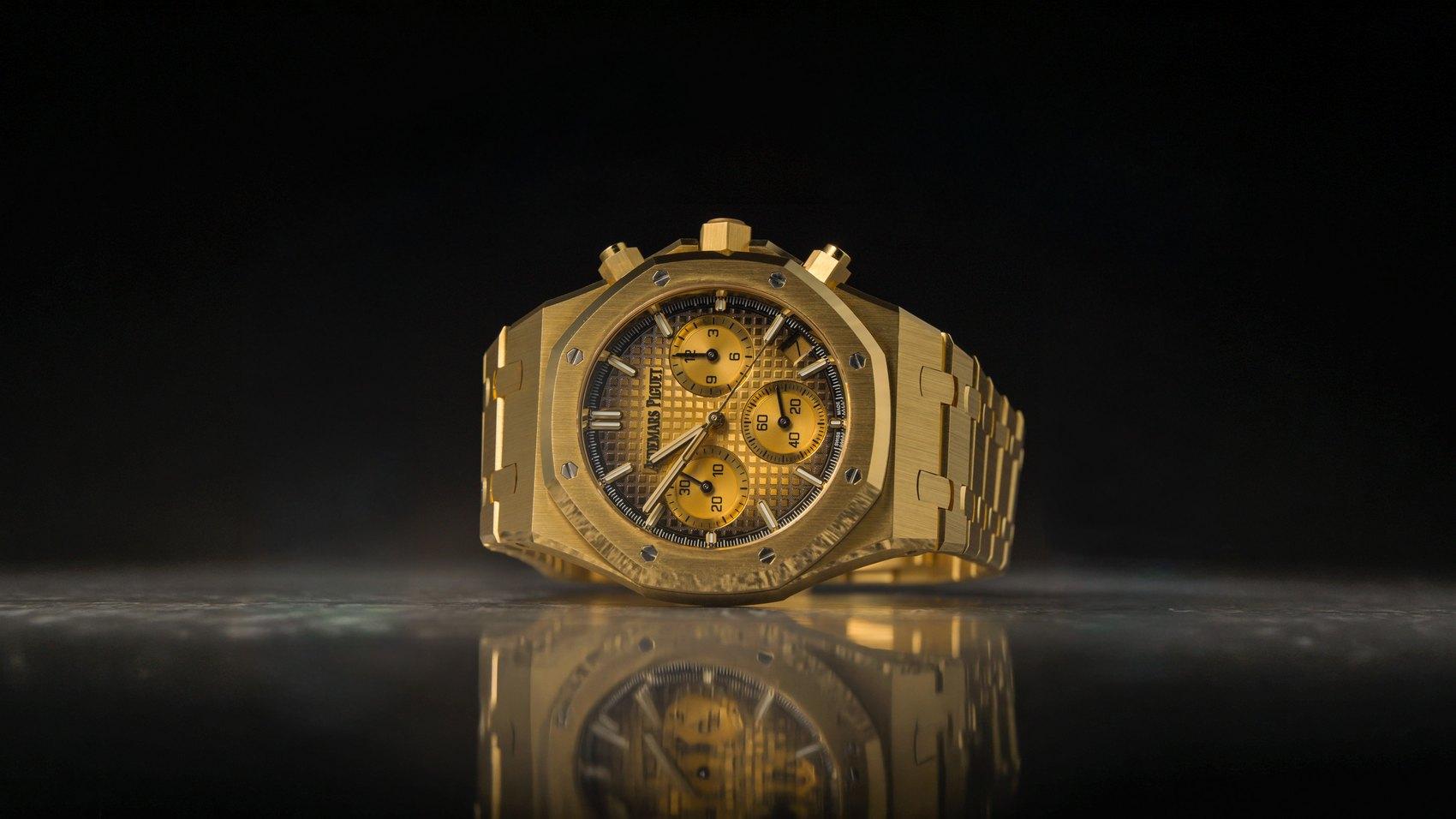
Most mechanical watches should be serviced every 5 to 10 years, depending on the brand, the movement, and how the watch is worn. Rolex officially recommends a full service approximately every 10 years for its modern watches; Omega advises every 5 to 8 years; and many haute-horlogerie pieces from Patek Philippe and Audemars Piguet are best seen every 4 to 6 years. A full overhaul (a complete strip-down, clean, re-lubrication, and regulation) typically costs anywhere from a few hundred dollars for a simple three-hand automatic to well over a thousand for a chronograph or grand complication. This guide explains the intervals brand by brand, what a proper service actually involves, what it should cost, and how to tell when your watch is overdue.
A watch is one of the few machines you wear against your skin, run continuously for years, and expect to keep perfect time the entire while. The oils inside it are doing real work, and they do not last forever. Below is the honest version of how watch maintenance works, written from the bench, not from a sales counter.
How often should you service a mechanical watch?
The short answer is every 5 to 10 years for most modern mechanical watches, but the right interval depends on three things: the movement, the manufacturer's lubricants, and how hard the watch lives.
The reason a mechanical watch needs servicing at all is friction. Inside the movement, tiny pivots turn in jewelled bearings, lubricated by minute quantities of synthetic oil. Over years, those oils thin, migrate, and eventually dry. When the lubrication fails, metal begins to wear against metal, and at that point a routine service turns into a parts-replacement job. Servicing on schedule is preventive; servicing after the oils have failed is corrective, and corrective work is always more expensive.
Quartz watches are different. They have far fewer moving parts and no power-storage spring under constant tension, so they need less frequent mechanical attention, but they still need battery changes with a fresh gasket and a water-resistance check, ideally every two years. A dead battery left inside a quartz watch can leak and ruin the movement.
Key takeaway: if you own a modern automatic and wear it regularly, a service every 7 to 10 years is a sensible default, sooner if it is a chronograph, a vintage piece, or a watch you take in the water.
Watch service intervals and illustrative costs by brand
Manufacturers publish their own recommended intervals, and they vary more than most owners realise. The table below collates each brand's official guidance alongside an illustrative cost range for a full overhaul. Treat the figures as general market context, not a fixed quote: actual pricing depends on the specific reference, parts required, and whether the work is done by the brand or an independent watchmaker.
| Brand | Recommended interval | Illustrative full-service cost | Notes |
|---|---|---|---|
| Rolex | ~10 years (modern) | $800-$1,200+ | Longer interval reflects modern synthetic lubricants and Chronergy escapement; older models often 5-7 years |
| Omega | 5-8 years | $500-$900 (chronographs higher) | Co-Axial movements may extend the interval; Speedmaster chronographs run higher |
| Patek Philippe | ~3-8 years | $1,000+ | Simple movements toward the longer end; perpetual calendars and grand complications more often |
| Audemars Piguet | 4-6 years | $800-$1,500+ | Integrated chronographs and complications increase cost considerably |
| Generic ETA / Sellita automatic | 5-8 years | $150-$400 (independent) | Standard three-hand calibres are the most affordable to service |
| Chronographs (any brand) | 4-6 years | $400-$1,500+ | Extra gears, pushers, and regulation make these the most labour-intensive |
These ranges reflect published manufacturer guidance and typical market practice as of 2026. The single biggest variable is complication: a time-and-date automatic is straightforward, while a chronograph, perpetual calendar, or tourbillon multiplies both the bench time and the parts cost.
How often should you service a Rolex?
Rolex officially recommends servicing its watches approximately every 10 years, subject to the model and real-world use. That figure surprises owners used to hearing "every five years," and the explanation is technical, not marketing.
Modern Rolex movements use advanced synthetic lubricants and the Chronergy escapement, designed to resist the oil degradation that forced shorter intervals on older calibres. The tighter manufacturing tolerances and improved materials genuinely slow internal wear, which is why the recommendation extended over time.
Two caveats matter:
- Vintage and older Rolex models, particularly pieces from before the modern lubricant era, are often better served every 5 to 7 years.
- Real-world use overrides the calendar. A Submariner that goes diving, a watch worn daily in a hot or dusty climate, or a piece showing signs of moisture should be seen sooner, regardless of how recently it was serviced.
Key takeaway: for a modern Rolex worn normally, roughly a decade between services is reasonable, but the calendar is a guide, not a guarantee. If the watch is running fast or slow, losing power reserve, or has fogged under the crystal, it needs attention now.
What does a watch service actually include?
A proper full service, sometimes called a complete service or overhaul, is not a clean and a polish. It is a near-total disassembly of the movement and a methodical rebuild. Here is what a competent watchmaker does, step by step.
- Inspection and diagnosis. The watch is tested on a timing machine and examined for wear, water ingress, and amplitude loss before anything is opened. This establishes the baseline.
- Full disassembly. The movement is removed from the case and stripped down to individual components, often a hundred or more parts for a complicated calibre.
- Ultrasonic cleaning. Every part is cleaned in specialist solutions to remove old, hardened oil and microscopic debris. Old lubricant is the enemy; none of it should survive.
- Inspection of components. Pivots, jewels, the mainspring, and the escapement are examined under magnification. Worn parts (a tired mainspring, a damaged jewel) are replaced with the correct components.
- Reassembly and precise lubrication. The movement is rebuilt and each friction point receives the correct oil or grease, in the correct quantity, at the correct point. Over-oiling is as damaging as under-oiling.
- Regulation. The watch is timed in multiple positions and adjusted so it keeps accurate time across the way it will actually be worn.
- New gaskets and water-resistance testing. The case seals (crown, caseback, pushers) are replaced and the watch is pressure-tested to its rated depth. This step is why water resistance is restored, not merely assumed.
- Case and bracelet attention. The case is cleaned and, if requested, lightly refinished. (More on why aggressive polishing is a mistake below.)
This is why a service takes weeks, not hours, and why "while-you-wait" battery shops cannot perform one. A real overhaul resets the movement's clock. Done properly, it buys you another full service interval.
Why are gaskets and water resistance part of every service?
Because the seals fail silently, and the damage they prevent is catastrophic.
Water resistance in a watch depends on rubber gaskets at the crown, caseback, and crystal. Those gaskets degrade with time and use: heat, cold, sweat, soaps, and ultraviolet light gradually harden the rubber until it cracks. Crown gaskets wear fastest because every winding and time-setting compresses them.
A watch that was water-resistant to 100 metres on the day it left the factory may not survive a hand-wash a decade later, even if it has never been near the sea. And a few millilitres of moisture inside the case is enough to rust the mainspring, corrode the movement, and stain the dial, turning a routine service into a major restoration.
That is why gaskets are treated as consumable parts, replaced as a matter of course, and why a pressure test concludes every reputable service. If you swim, dive, or shower with your watch, an annual water-resistance check between full services is cheap insurance.
How do I know my watch needs servicing?
The calendar is a guide, but the watch will usually tell you. Book a service if you notice any of the following:
- Accuracy has drifted. A mechanical watch that suddenly runs several minutes fast or slow per day is signalling that something inside needs attention.
- The power reserve has shortened. If a full wind no longer carries the watch through the night, the mainspring or lubrication may be failing.
- An automatic stops easily. A self-winding watch that won't hold a charge with normal wear is overdue.
- Moisture or fogging under the crystal. This is urgent. Stop wearing the watch and have it seen immediately: water inside is corroding the movement as you wait.
- The crown or pushers feel gritty. Resistance, crunching, or stiffness when winding or setting points to dried lubricant or a failing gasket.
- It has simply been a long time. If you cannot remember the last service and it has been a decade, assume it is due.
Key takeaway: never wait for a mechanical watch to stop entirely. By then, the dry-running damage is usually done.
Should I use the manufacturer or an independent watchmaker?
Both are legitimate; the right choice depends on the watch.
Brand service centres use factory parts, factory tooling, and factory specifications, and they preserve the strongest provenance for high-value or modern pieces. They are also the most expensive and often the slowest, with turnarounds that can run many weeks.
Independent watchmakers, particularly those trained to manufacturer standards, frequently charge 30 to 50% less and offer faster, more personal service. For a standard automatic, a vintage piece, or any watch where you value a direct relationship with the person at the bench, a skilled independent is often the better choice. The critical question is competence and access to genuine parts, not the name on the door.
One thing to avoid at any service tier: aggressive case polishing. Over-polishing rounds off the crisp factory edges of a case and permanently reduces a collectible watch's value. A good watchmaker refinishes conservatively, or not at all, and always asks first.
What does Dialist charge to service a watch?
When Dialist launches, servicing will be handled in-house by Swiss-trained watchmakers, with transparent, published pricing rather than an open-ended quote.
- Transparent, itemised pricing shown and approved before any work begins, never an open-ended quote.
- A free, no-obligation assessment first, so you decide with the full picture in front of you.
- A 2-year workmanship warranty on the service performed. Concrete cover, not a vague promise.
- Insured handling throughout, with the watch fully accounted for from the moment it leaves your hands.
Every service includes the full overhaul described above: complete disassembly, ultrasonic cleaning, inspection and replacement of worn parts, precise re-lubrication, regulation, fresh gaskets, and water-resistance testing. The published price is the price. There is no upsell at the bench.
FAQ
How often should you service a mechanical watch? Most modern mechanical watches should be serviced every 5 to 10 years. Rolex recommends approximately every 10 years for its modern watches, Omega every 5 to 8 years, and many high complications from Patek Philippe and Audemars Piguet every 4 to 6 years. Wear it harder (chronographs, divers, daily climates), and you should service it sooner.
How much does it cost to service a watch? A full overhaul typically ranges from a few hundred dollars for a simple three-hand automatic to well over a thousand for a chronograph, perpetual calendar, or other complication. Independent watchmakers often charge 30 to 50% less than brand service centres. As a guide, a standard automatic might run $150-$400 independently, while a luxury chronograph at a brand centre can exceed $1,000.
What does a full watch service include? A complete service involves full disassembly of the movement, ultrasonic cleaning of every component, inspection and replacement of worn parts, precise re-lubrication, regulation in multiple positions, new case gaskets, and a water-resistance pressure test. It typically takes several weeks because it is a methodical rebuild, not a quick clean.
How often should you service a Rolex? Rolex officially recommends servicing its modern watches approximately every 10 years, thanks to advanced synthetic lubricants and modern escapement design. Older and vintage Rolex models are often better served every 5 to 7 years, and any Rolex that has been in water, is losing accuracy, or has fogged should be seen immediately regardless of the calendar.
Can I damage my watch by not servicing it? Yes. As the lubricants dry out, metal components begin to wear against one another, turning an inexpensive preventive service into a costly parts-replacement job. Failed gaskets can also let in moisture, which corrodes the movement and stains the dial. Servicing on schedule is far cheaper than repairing the damage of neglect.
Does servicing a watch affect its value? A well-documented service history supports a collectible watch's value, while neglect and a watch that has run dry can hurt it. One service-related caveat: insist on conservative refinishing. Over-polishing the case during a service rounds off the factory edges and permanently lowers resale value, so always ask a watchmaker to polish lightly or not at all.